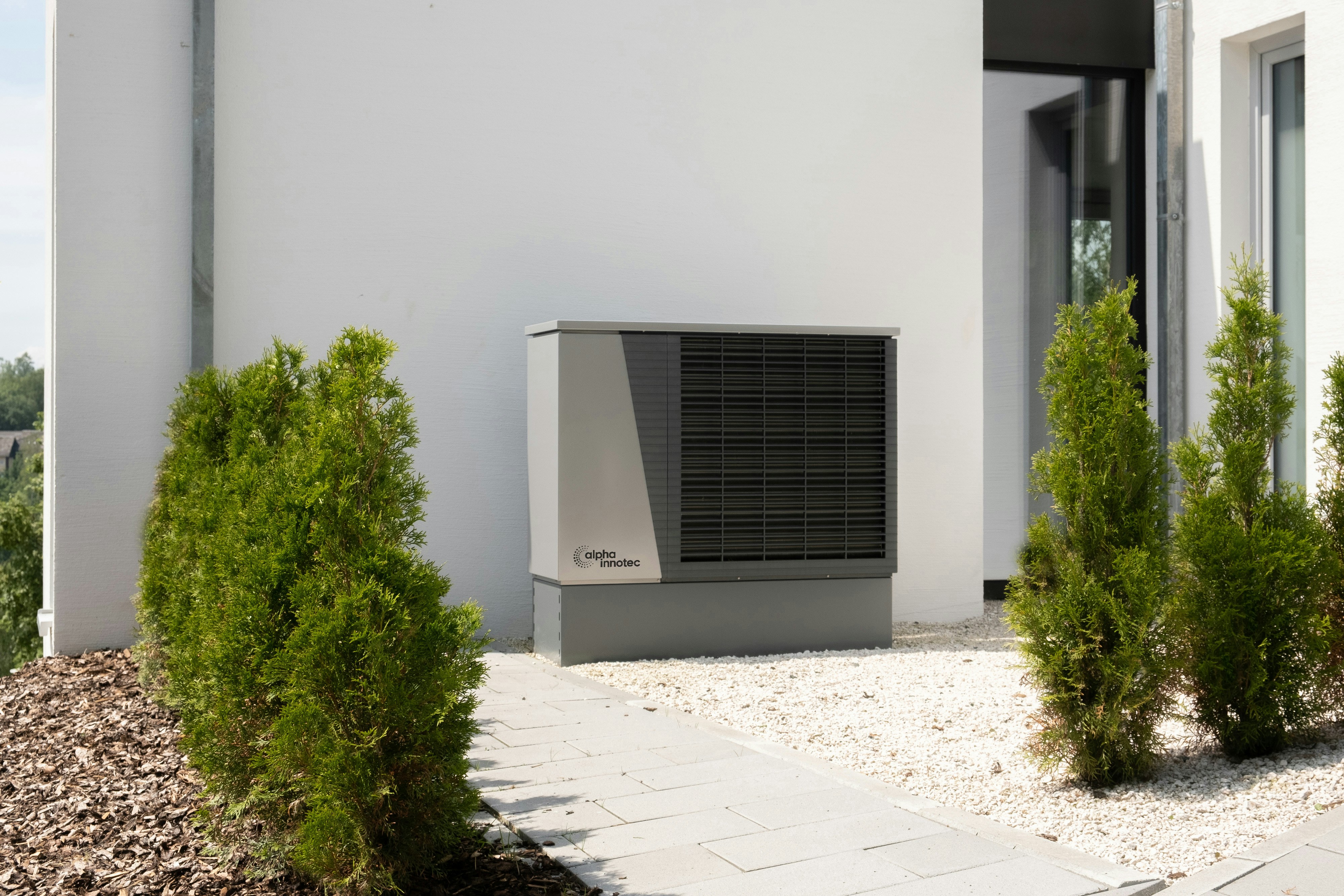
A few months ago, I wrote briefly here about a heat pump that I had installed, a more efficient source of heat than a traditional furnace. The main point of that post was more of a reflection on my severe, sometimes crippling nostalgia, but then a couple weeks ago I read a NY Times column by a Times’ climate reporter about his experience having a heat pump installed, which was so different from mine, and cast heat pumps in more of a negative light than deserved, that I wrote a commentary for the Star Tribune about my experience. I’ve posted it below in case you don’t have a Strib subscription and would like to read it.
I don’t want to rip on the Times reporter too much, because his experience is his experience, and mine is mine. Plus, he’s a NY Times reporter, and I’m not. But I think he failed to 1) plan in advance 2) thoroughly explore his options. For starters, he missed out on an extra $350 rebate that was available to install a more efficient system, which also would have reduced his monthly bill even further. Then he goes on to say that “A new gas-powered furnace plus A.C. would start at about $12,000. A heat pump would be more: anywhere from $14,500 to $20,000.”
In the end his heat pump was $14,540. So after rebates and the $2,000 federal tax credit, he will ultimately pay about $12,200, nearly identical to the traditional tech he was quoted.
But somehow he then goes on to reach a conclusion that maybe heat pumps aren’t that great, given that he paid, again … nearly exactly how much he would have paid to have a traditional system installed … but which will now significantly reduce his monthly gas bill. I’m not sure how you possibly draw that conclusion. Lastly, he claimed the heat pump is louder than his old AC system, but my experience has been the exact opposite—my heat pump hardly makes a sound.
In any case, as he notes, almost half a million U.S. households claimed a tax credit last year for installing heat pumps, and more will do so this year, with that number likely to rise as federal incentives lead to more state incentives and people begin to understand that the tech is reliable. But I think given the reach of the Times, his article did a disservice to a tool that will help fight climate change and save people money in the long run. Here’s the thing: When I was a bartender 20+ years ago, if someone left a tip for me on the bar, I picked it up. I put it in my pocket. I didn’t leave money on the table, and I didn’t know a bartender who did. So when the time comes to replace your HVAC system, pick up the tip.
On another note, I also had a piece in Minnpost about trees and two-car garages.
Lastly, the Strib always kicks over some new subscribers, so welcome to the new people. I’ve written about you before. Thanks for being here. Oh, and interestingly, three people so far have contacted me (via Linked In, Facebook, and my blog) asking me more about heat pumps. It kind of makes me wish I actually knew something about heat pumps.
Here’s that Strib heat pump thing:
I had a heat pump installed and I love it
Back in mid-April I had a new AC and furnace installed, a huge expense, but one which I had been planning for more than a year, and so after some budget cuts and penny pinching, I had saved up about $117 of the approximately $16,000 bill*.
My furnace and a/c were both beyond 25 years old, the age of an extraordinarily old cat, and while the a/c was definitely coughing up hairballs, the furnace seemed to be fine—yet it was an 80% efficiency model, meaning that 20% of the natural gas it used for heat went up in smoke, as they say, except that it did the opposite, heading straight into the atmosphere.
After doing some armchair Googling, it seemed I could expect to pay around $9,000, but three quotes from local Twin Cities (Minnesota) HVAC installers later—all in the same $15k ballpark—I regretted not scrolling past my first search result.
The first HVAC estimator gave me several options, from the perfectly functional and most affordable, to the option that I assume used a rotating team of young golden eagles to fan air never before breathed by a living being into my home. Each option was more efficient (and expensive) than the last, from 80% to nearly 100% efficiency.
The second estimator’s quote was much the same, though he made passing mention of the option of a heat pump, a device which heats air differently—more efficiently—than your typical HVAC system. The first technician made no mention of this at all.
After a little more Googling, where this time I scrolled beyond the first search result, I learned that installing a heat pump is one of the most efficient and environmentally friendly things you can do for your home. And so the third estimator, surprised when I asked about a heat pump option, admitted that he had one himself and had nothing but good things to say about it. He’d had it for six years, he said, without any issues. What of these things I’ve heard, I asked? That they don’t work in cold-climate states? That they break down all the time? That they are noisy? They wouldn’t be selling them if that were true, and it hadn’t been his experience, he said, nor has it been mine so far (it’s much quieter than my old a/c). Plus, it has a 12 year warranty.
I don’t claim to be an environmentalist. I drive a Ford F150 around the country towing a camper at 12 mpg and working from the road for part of each year. I eat red meat, too—way too much, according to my doctor, whose opinion I didn’t even ask for. And I fly to lands both foreign and domestic when I can afford it and have the time. It’s true that I love this planet, but my love is greedy, and I want to see what I can of it before I go.
I’ve also never been an early technology adopter, but I am thrifty, and after running through the options, we found that I could install a heat pump—one which cools air much like an a/c and provides heat until outside temps reach about 35 degrees—for the same price as the middle-of-the road traditional option (other heat pumps can work at even lower temps). Included in that price was a 98.6% efficiency traditional furnace that kicks on to take over for the heat pump when temps dip below 35 degrees.
And so back to the internet, which told me that there were over 300 days in 2023 where the lowest temp in the Twin Cities was above 32 degrees. The truth is, in most states it’s plenty warm enough for a heat pump.
So I pulled the proverbial trigger, and after multiple rebates from Centerpoint and Xcel Energy totaling more than $2,000, plus a $2,000 federal tax credit (not a deduction, but a credit) for heat pumps, the heat pump option actually came in a couple hundred dollars cheaper than the traditional, less efficient technology. Not only that, but my gas bill is likely to be significantly lower this winter.
What’s more, the rebates on heat pumps are actually increasing, with many states (including Minnesota) getting on board and offering their own incentives. If I’d waited a year, it would have been even less expensive.
How a heat pump works
I’m not an astrophysicist, so I’m not going to try to explain to you how heat pumps work, except to say that they do a bit of heating and a bit of pumping. Which is nice. You might say, “You shouldn’t purchase something you don’t understand,” but I’d like to defend myself by saying that I don’t really understand a lot of things, including how a regular a/c or furnace works. That kind of stuff is for the guys at NASA to figure out.
*After more than $4,000 in rebates, I paid less than $12,000 for my heat pump and high-efficiency furnace.









Leave a comment