The Conecuh National Forest campground at open pond started to turn over today, as several of the people I’ve come to think of as “long-termers” left. It’s kind of sad, in a way. I’ve been here 12 days, and all 3 were here when I arrived—the max stay is 14 days.
One of the three was the old-timey, hunch-backed, gold-prospector looking guy who I wrote about on March 6. I caught him just before he pulled out and I’m glad I did. He shut his truck off and stopped to talk with me. He’d hit the 14 day max, possibly gone over it, and was asked to leave the campground today, he said.
He is probably not a role model, but he’s definitely harboring some wisdom and he’s as quotable as a Reader’s Digest.
“I was put on this earth to enjoy myself and by god I’m gonna do it,” he said to me within the first minute of our conversation.
His clothes looked like they’d been blasted a dozen times with a shotgun, then attacked by moths with rabies. He wore a hooded sweatshirt but the sleeves had been eaten away just past the elbows, pieces of cloth hanging loose here and there as though the person wearing it had surely lost his arms in some horrible accident. His hood was up, and over the top of the hood he had pulled his wide brimmed hat down tight. He looked absolutely ridiculous and didn’t care one bit.
We got to talking and at one point he started speaking about “the gift.”
“This present that we’re in right now—they call it ‘the gift,’” he said. I hadn’t heard that, I said.
“I do something today which makes tomorrow…” he trailed off. “I think a lot of people are all tied up in a little knot, way down there, you know. And every time you do something that makes a little better day, you’re startin’ to come out of that spiral, that knot,” he said, twirling his finger up and around.
“And then you get better and better, and then after a while you have to think, ‘What can I do? I’ve done everything…’ but there’s always something to do. You keep doing. And then you get out, and you feel so much better once you get out of that tight, regimented way that you’ve been living all your life, all your life.”
“I’ve used my phone six times in three years, for emergencies. When I came here I’d only talked to six people in a year. And then a lady over here came over, and then another guy came over (possibly me last week?) and before you know it all these people were coming by and sayin’ hello.”
“But I learned a long time ago people are trouble. I don’t argue with myself. I don’t get in any riffs…no. It’s people that do it to you,” he said.
“You see these people get on the phone and you hear bad news. The person they’re talkin’ to is 2,000 miles away. This person isn’t gonna fly there to go say hello and give em’ a hug. So all they can do is empathize a little with em’ and they hang up. They’re sittin’ there now with some of that bad feeling. Now, if they didn’t answer the phone… no news is good news,” he said with a grin.
I started laughing so hard I about fell over and he giggled along with me. I didn’t agree with that approach to people, but sometimes that’s how I think about news, and the constant barrage of negativity that feels so overwhelming, these things that seem so huge and you can’t do anything about it. And you just start to get buried under the world and how terrible it can be.
He went on, “My father, every time we’d be eating dinner the phone would ring… he was the building inspector, wiring inspector, assistant police chief, assistant fire chief, you name it (he grew up in a tiny town in Massachusetts). The phone rings and he goes, ‘Those suppertime bastards!’ And then (softly) ‘Hello.’ And I thought, phones can be pretty phony. So I really never cared much about phones.”
He told me about returning to his hometown after 30 years away, after a portion of his trip many years ago that he called his endless spring.
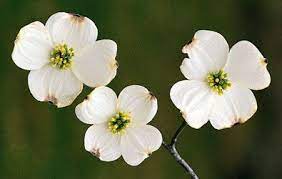
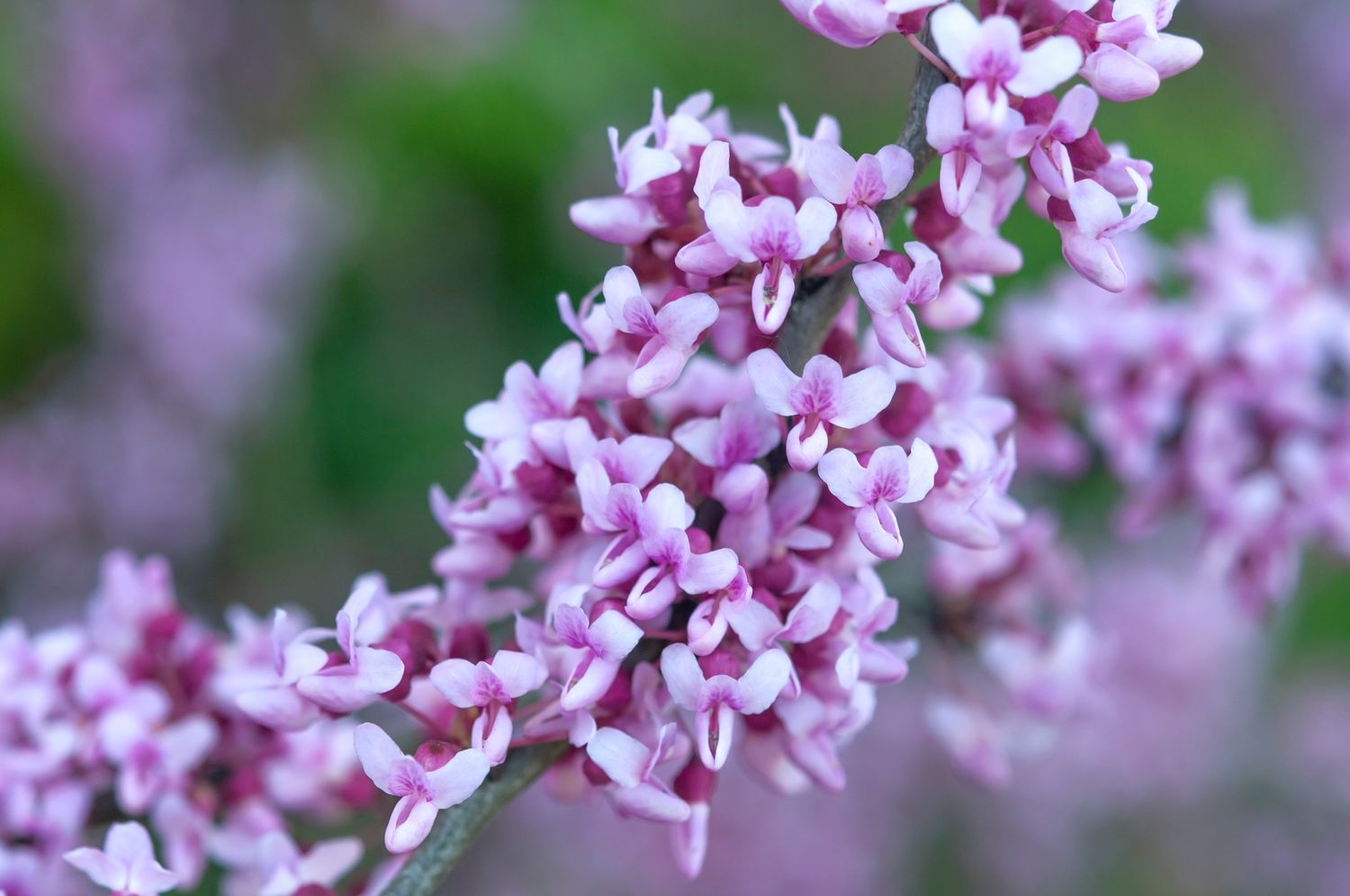
“I went from the columbine flowers in Texas, to the wisteria in Louisiana, then the azaleas, and rhododendrons, and dogwoods and redbuds, all the way up to Massachusetts. So I finally get up there and everybody is wasting away getting old. Sittin’ in their favorite chair. I say, ‘you poor bastards, waitin’ for the hammer to drop on you.’”
I wished him well then, and he hit the road, by far the most interesting character I’ve met on this trip.
Later I talked to a guy fishing who said he’d lived all his life about 40 miles away in a small town on the border of Florida and Alabama. He was wearing overalls and was as overweight as the gold-prospector was underfed. He said he had a son who was skiing in Colorado, but that he himself had never seen the mountains. He was at least 65 years old. Then he said he’d seen beaches, but he didn’t need to live by one. Honestly, he was really nice and we had a good conversation. It was a reminder that the world holds a little bit of every kind of person. Although that includes the dipshit with the confederate flag, who is still camping here.
Below: azaleas, dogwoods, rhododendrons, wisteria, redbuds, and columbines.







Leave a comment